
Located just north of Vancouver, Washington, the refuge is a unique retreat to nature nestled between the Columbia River and the town of Ridgefield.
Access Updates:

Kiwa Trail remains closed for nesting birds and won't open until later in the summer
Please check here for when the trail will open (potentially in late July or mid-August) and respect the closure. We encourage you to enjoy our other trails including: the Oaks to Wetlands trail, Carty Lake Trail, and expansive trail system at Steigerwald Lake NWR
 

Auto Tour Route
The Auto Tour Route is open for people to drive or walk the road. Please note however, it gets dusty and that if exploring it by foot, that the "trail" is the road. Wandering into the wetlands or off the road is not permitted to protect nesting and resting species. 


Community Nature Center
Check here for when you can visit the Community Nature Center. We are currently training volunteers to help us open it, so hours and times for the Center and the Office will vary over the next few month.  As we transition to being able to offer this new experience at the Refuge, we appreciate your patience.

Location and Contact Information

      About Us

      Ridgefield NWR was established in 1965 to provide wintering habitat for the dusky subspecies of the Canada goose who’s habitat is extremely limited. Since then smaller pieces of land have been added to create what is now Ridgefield National Wildlife Refuge.  

      What We Do

      Wildlife conservation is at the heart of the National Wildlife Refuge System. It drives everything we do from projects and research to the recreational activities offered. Using conservation best practices, the Refuge System manages Service lands and waters to help ensure the survival of native wildlife species.  

      Our Organization
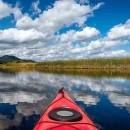
      A bright blue sky obstructed by fluffy white clouds reflected off of a stream shot from inside a kayak
      The U.S. Fish and Wildlife Service manages an unparalleled network of public lands and waters called the National Wildlife Refuge System. With more than 570 refuges spanning the country, this system protects iconic species and provides some of the best wildlife viewing opportunities on Earth.
      2025-2026 Federal Duck Stamp featuring a pair of spectacled eiders on the ground in grassy area.
      Since 1934, sales from Federal Duck Stamps have raised more than $1.3 billion to conserve more than 6 million acres of wetlands habitat. That makes the Federal Duck Stamp one of the most successful conservation revenue programs in history! Over 98% of the money raised from the sale of Duck Stamps...

      Get Involved

      Everyone plays a part in the health of our communities. You may be interested in working to create better homes for native wildlife. Or perhaps you want to help others learn about and enjoy the outdoors. There are many ways to get involved that work with your interests.