


Coachella Valley
Plan Your Visit
The Coachella Valley National Wildlife Refuge is closed to public visitation to protect the endangered species that call this unique desert landscape home.
Although the refuge is closed to public entry to minimize disturbance to sensitive species and their habitat, its conservation story is part of a broader effort to protect the Coachella Valley's natural heritage. Visitors can enjoy views of the aeolian, or wind-shaped, dune ecosystem from Avenue 38 or explore the nearby Thousand Palms Oasis Preserve, a partner site within the larger Coachella Valley Preserve system.
At Thousand Palms Oasis Preserve, visitors can explore scenic trails, discover palm oases sustained by underground water, and learn about the desert's unique plants, wildlife, geology, and cultural history. The visitor center and interpretive displays offer additional opportunities to understand the importance of protecting these remarkable landscapes.
Plan your visit and learn more about local conservation efforts through our partners at the Center for Natural Lands Management and the Coachella Valley Preserve.

Activities
Featured Species


Get Involved
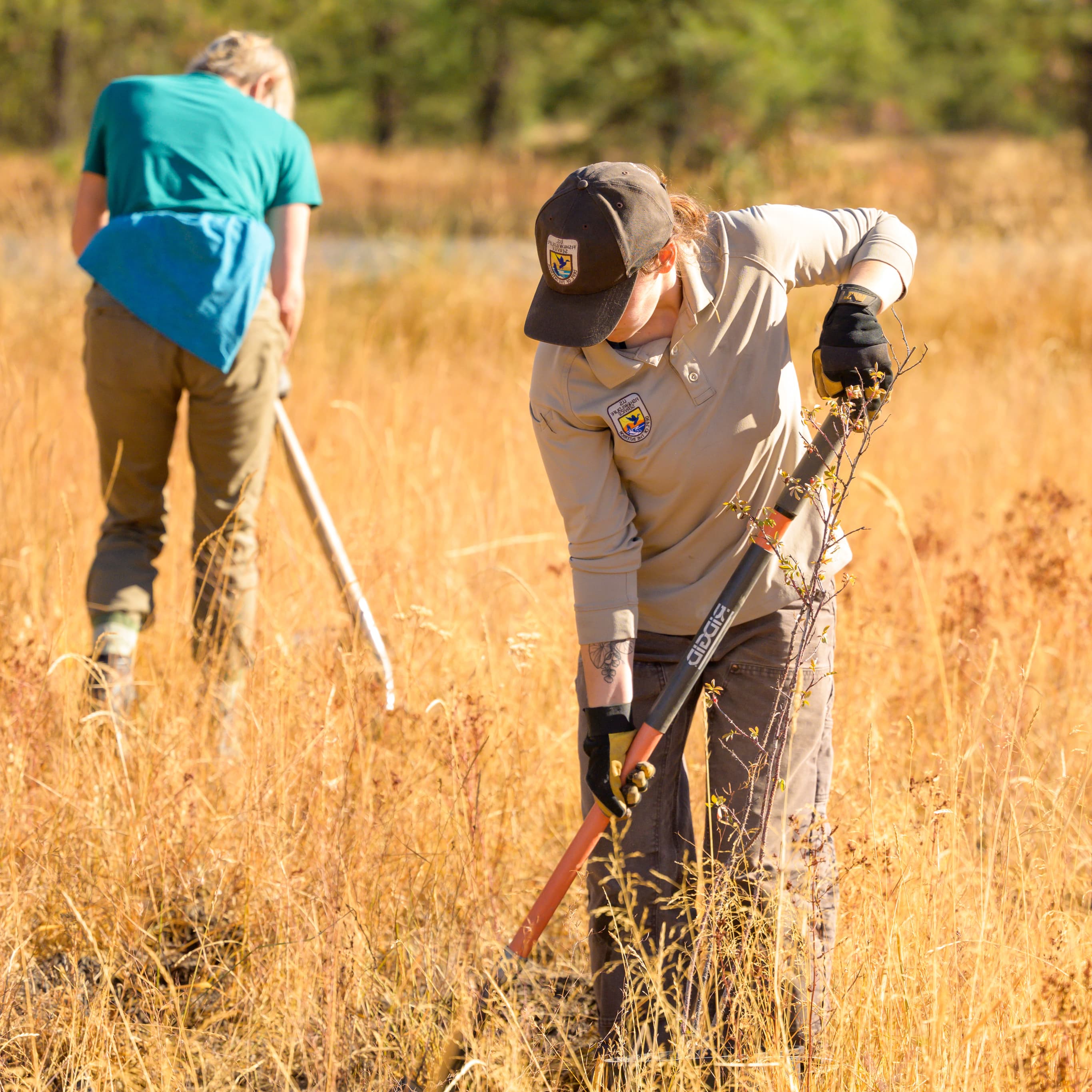
Working with others to conserve, protect, and enhance fish, wildlife, plants, and their habitats for the continuing benefit of the American people.
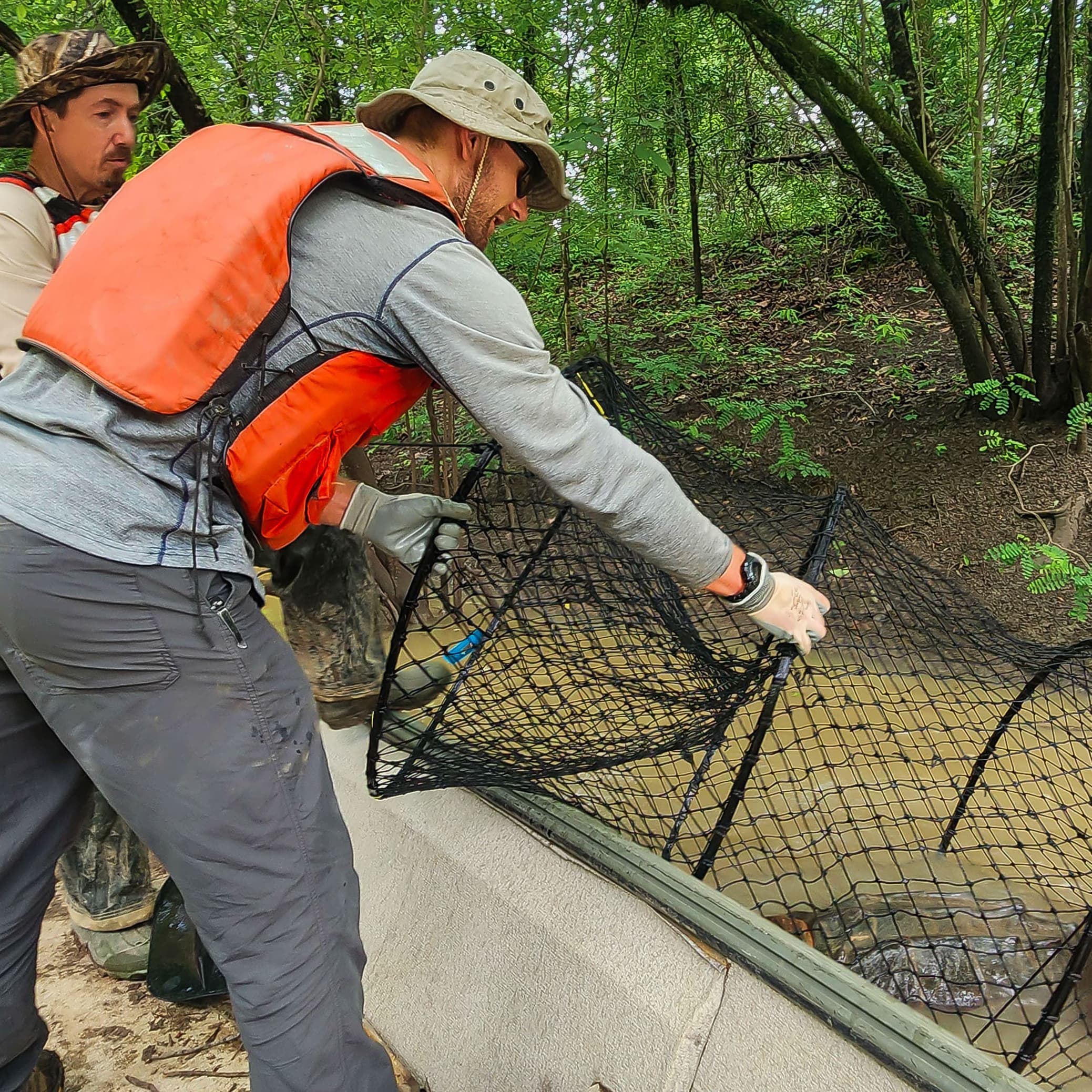
Work with Us
Our dedicated employees perform a wide range of jobs at national wildlife refuges and national fish hatcheries and with public, tribal and private partners.
We hope you’ll join us in advancing our mission of working with others to conserve, protect and enhance fish, wildlife, plants and their habitats for the continuing benefit of the American people.
Services


About
Established in 1985, the Coachella Valley National Wildlife Refuge protects rare desert habitat approximately 10 miles east of Palm Springs, within the rapidly developing Coachella Valley.
The refuge is part of the 20,114-acre Coachella Valley Preserve system and provides critical habitat for the federally threatened Coachella Valley fringe-toed lizard, a species found nowhere else in the world and uniquely adapted to shifting sand dunes.
The refuge is administered by the U.S. Fish and Wildlife Service as part of the Sonny Bono Salton Sea National Wildlife Refuge Complex. The broader preserve is managed cooperatively by the U.S. Fish and Wildlife Service, Bureau of Land Management, California Department of Parks and Recreation, California Department of Fish and Game, The Nature Conservancy, and the Center for Natural Lands Management. Together, these partners protect one of the last remaining undeveloped sand dune ecosystems in the Coachella Valley, supporting a remarkable diversity of desert plants and animals.
Over thousands of years, seasonal floodwaters have carried sand from nearby mountain drainages into the valley, where persistent winds redistribute it across the landscape. This process, known as aeolian transport, creates the shifting dunes and sandy fields that sustain specialized species, including the endangered Coachella Valley milkvetch. Many of these plants and animals depend on this dynamic habitat for survival.
Urban development, roads, and invasive plants have reduced and fragmented this fragile ecosystem, contributing to declines in sensitive species. Protecting natural sand movement and native plant communities is essential to maintaining the habitat these species need to survive.
