


Florida Panther
Immokalee, FL 34142
Plan Your Visit
While most of the Refuge is closed to public access, visitors are encouraged to enjoy the Refuge via hiking, wildlife photography and observation, and environmental education.
Trails
Open for free, seven days a week, during daylight hours sunrise-sunset, two trails provide visitors with a chance to experience a variety of habitats on Florida Panther National Wildlife Refuge. The trails and short boardwalk were funded by private donations from Marge Duncan, Safari Club International, and the Friends of the Florida Panther Refuge.
The trails are located about a quarter mile north of the intersection of State Road 29 and I-75. Look for a wide open gate and brown hiking trail signs on the west side of SR29 just past the I-75 junction. Note that the hiking trails and their parking lot are south of the Refuge Headquarters office. No public access is currently offered from the Headquarters location.
Rules and Policies
- Refuge trails and parking lot open at dawn and close at dusk.
- Overnight use and parking are prohibited.
- All plants and animals are protected.
- Firearms are prohibited (Carry/Conceal permit holders abide by state law).
- Pets are prohibited.
- Off-road vehicles and bicycles are prohibited on hiking trails.
The hiking trails are open for free, seven days a week.
Activities


Get Involved
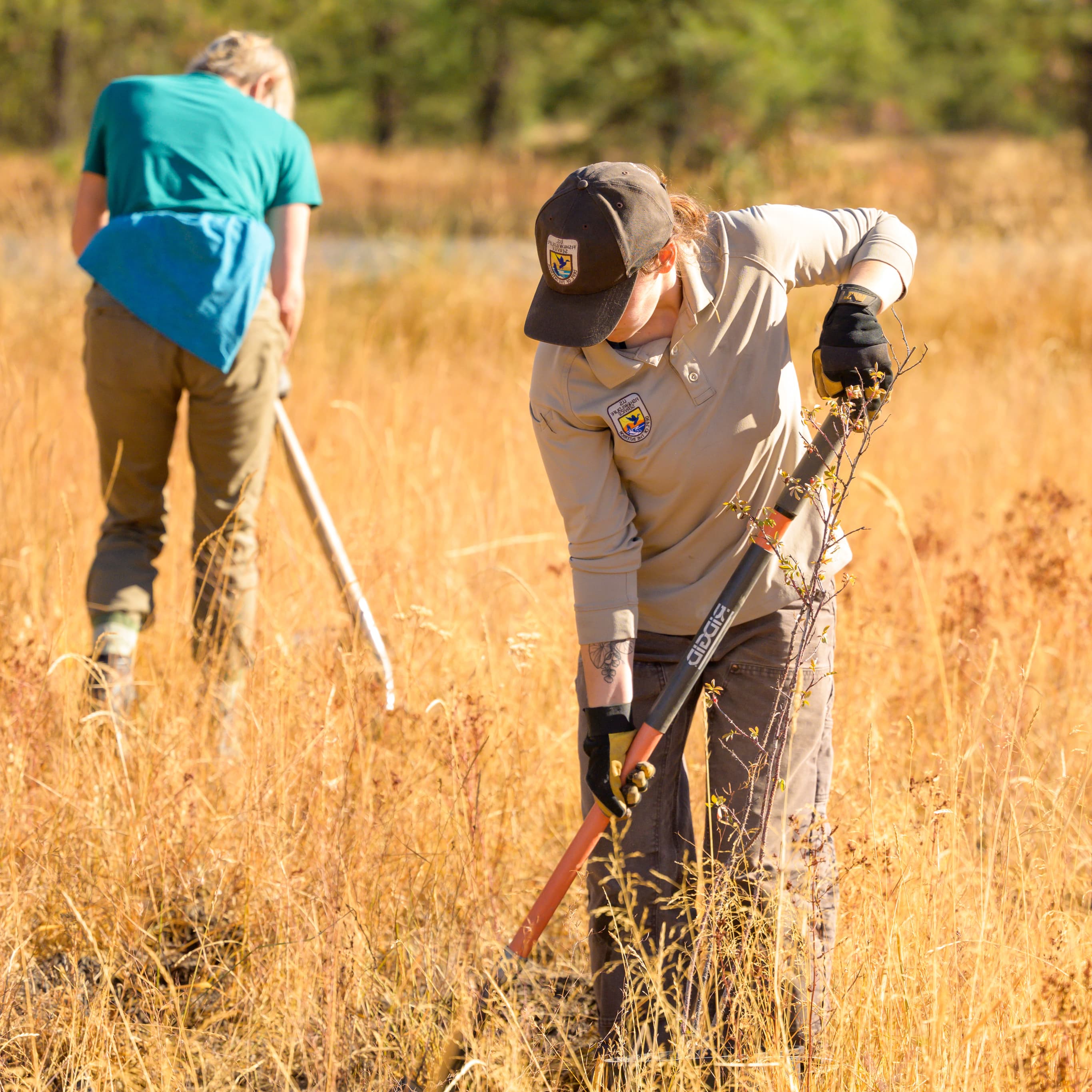
Discover for yourself what tens of thousands of volunteers have learned: Volunteering for the U.S. Fish and Wildlife Service is fun and rewarding in many ways. Master new skills. Meet new friends. Enjoy a sense of accomplishment from doing your part to further wildlife conservation for the pleasure of generations to follow.
Working with others to conserve, protect, and enhance fish, wildlife, plants, and their habitats for the continuing benefit of the American people.
Services
About
Established in 1989, the Florida Panther National Wildlife Refuge protects core habitat for the endangered Florida panther within the Big Cypress Basin. The refuge covers approximately 26,400 acres, including the northern reach of the Fakahatchee Strand, the largest cypress strand in the Big Cypress swamp. Its mission focuses on providing optimum habitat conditions, restoring natural diversity, and developing compatible wildlife-dependent recreation and education programs.
What We Do
Refuges strive for biological integrity, diversity and environmental health. Much of the management work of refuges is to maintain, enhance or restore intact and self-sustaining habitats.
