Visit Us
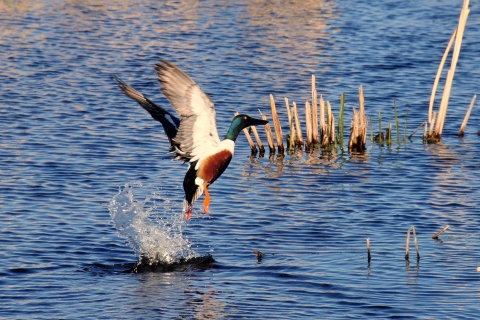
This 21,498-acre refuge includes Sand Lake, a 11,450-acre lake created by the last ice age. Each spring and fall, thousands of waterfowl and other waterbirds migrate through this region, taking advantage of the food found in the nutrient-laden wetlands. The wetland management district wetland management district
A wetland management district is a U.S. Fish and Wildlife Service office that manages waterfowl production areas in one or more counties. Waterfowl production areas are small natural wetlands and grasslands that provide breeding, resting and nesting habitat for waterfowl, shorebirds, grassland birds and other wildlife. The Fish and Wildlife Service acquires waterfowl production areas under the authority of the Migratory Bird Hunting and Conservation Stamp Act, primarily using funds from the sale of Federal Duck Stamps. The Refuge System’s 38 wetland management districts comprise thousands of waterfowl production areas – almost all in the Prairie Pothole Region of the Northern Great Plains.
Learn more about wetland management district , which includes 8 north central South Dakota counties, is comprised of 43,000 acres of Waterfowl Production Areas. Since waterfowl production area waterfowl production area
Waterfowl production areas are small natural wetlands and grasslands within the National Wildlife Refuge System that provide breeding, resting and nesting habitat for millions of waterfowl, shorebirds, grassland birds and other wildlife. Virtually all waterfowl production areas are in the Prairie Pothole Region states of Iowa, Minnesota, Montana, North Dakota and South Dakota.
Learn more about waterfowl production area lands are purchased with outdoor enthusiasts' dollars, they are managed so that the public may use them for a variety of activities. These include hunting, hiking, photography, wildlife observation, outdoor education, and interpretation.
Location and Contact Information
About Us
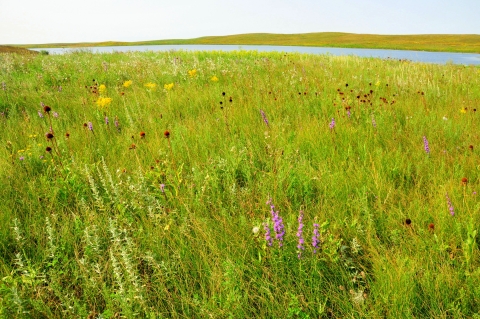
The marshes and open water impoundments of the refuge are surrounded by prairie grasslands, cultivated fields, and scattered woodlands along the James River. The wetlands, marshes, open lakes, and grasslands of the refuge are home to more than 266 bird species, 40 mammal species, and a variety of fishes, reptiles, and amphibians. Fall migrations of snow geese may reach peaks of 500,000 individuals, whereas the spring migration has been documented at more than 1.2 million. In addition, more than 123 different bird species nest and raise their young on the refuge.
What We Do
Wildlife conservation is at the heart of the National Wildlife Refuge System. The Sand Lake National Wildlife Refuge serves as a breeding and resting ground for migratory birds of all types. Providing quality habitat helps the refuge meet these needs.